A good brief can lose its value when five people give five different directions halfway through a project.
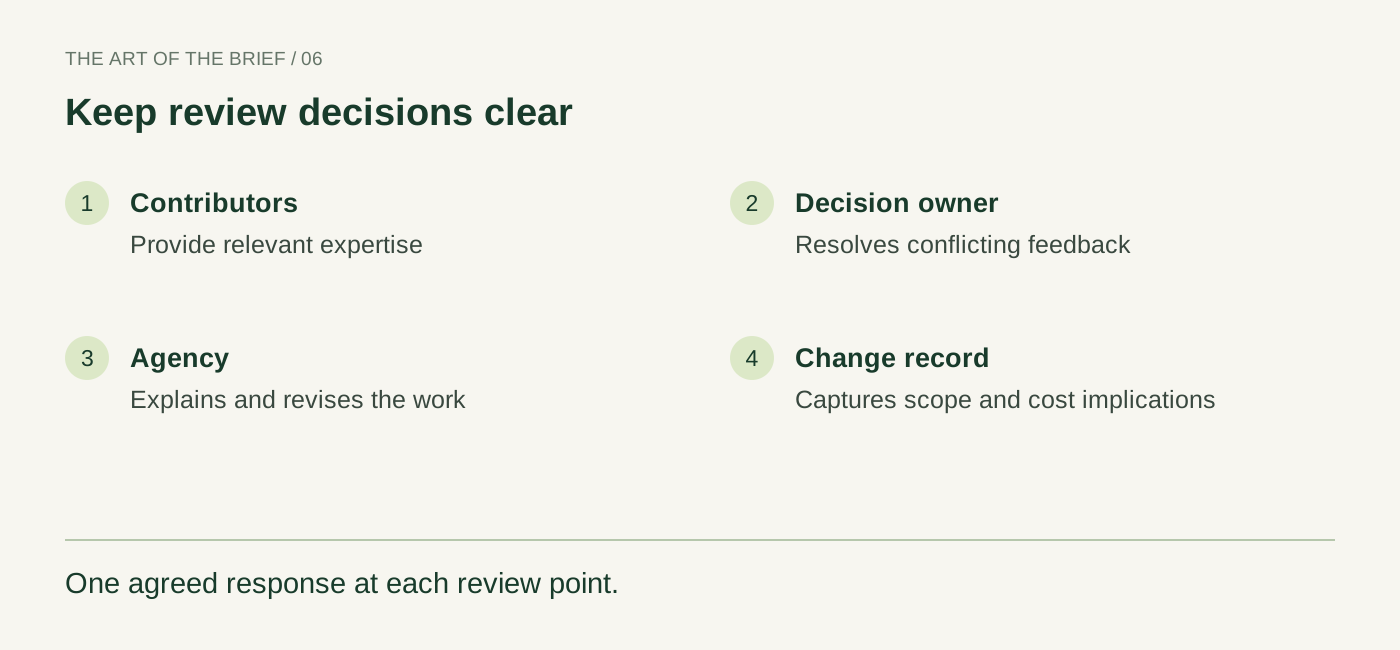
Before work starts, name the person who approves it. Identify who needs to contribute and who needs to be informed. Agree review points and realistic response times.
Give the agency one consolidated set of feedback. If your team disagrees internally, resolve the disagreement before sending instructions that pull the work in opposite directions.
Useful feedback refers to the brief: “The audience needs more reassurance about implementation.” That gives the agency a problem to solve. “I do not like this” leaves it guessing.
The agency has responsibilities here, too. It should explain its choices, flag gaps and raise scope changes before doing extra work.
Changing your mind is allowed. New evidence may justify it. Record what changed, why, and what it means for the budget, timeline and agreed outcome. That is how you keep a necessary change from becoming a costly loop.